I invite you to check out my observations and thoughts on the critical issues and common blocks that can truly interrupt a family caregiver’s daily well-being and joy.
You will notice each blog includes the “Help yourself. Help others.” sign off. Over the years, these words have initiated many comments from fellow family caregivers including: “Shouldn’t this thought be reversed?” “It sounds a very selfish,” “I would have trouble living like this,” etc. All great points that allow me to reinforce the importance of family caregivers making self-care a priority in their lives. With self-care being a core daily practice, family caregivers have healthier emotional and physical lives and actually provide better care to their loved ones...truly a life win-win!
Please take a moment and look through the collection of real and inspiring stories that speak to where you may be in your caregiving journey, and thoughts and steps to consider to experience an emotional and physical healthier life.
Caring for the Caregiver Blog

Putting the “I” in Caregiving
Like most kids growing up in the 1950s and 1960s, I played a lot of sports. After school. On weekends. In the rain. In the snow. Even in the dark. Over nearly 20 years of playing organized sports, I must have had at least ten coaches tell my teammates and me, “There is no ‘I’ in ‘team’.” However, family caregivers need to learn to put a capital “I” in caregiving — and keep it there...

Flying Above the Turbulence
As a family caregiver, turbulence is inevitable, even on days when the skies look clear. And, even though we understand that upset comes with the territory, it is still incredible how unsettling it is when it happens. I came to realize that flying above the turbulence wasn’t about ascending above the clouds in search of calmer air, it’s about knowing that even when I’m under duress, I can always find calmer air by controlling my thoughts to better navigate my circumstances...

Taking Charge of You
“Life is not about waiting for the storm to pass, it’s about learning to dance in the rain.”
When I first read this quote, I wrote it off as no more than a nice message that belonged on a Hallmark card. But when I came across it again a week or so later, I started to think about it more and more. As family caregivers, we can all recall times that we’ve felt swallowed alive by an unexpected rainstorm, a storm that sapped our energy or stopped life dead in its tracks. It’s easy to blame the storm for altering our plans, to throw up our hands and cede control even is the storm is pending and not quite here...

Hitting the Curveball
In baseball, being able to hit a curveball separates “the good” from “the great.” The curve may not boast the same speed as a fastball, but from the time it leaves the pitcher’s hand, its path can be unpredictable, with the goal of leaving the batter off-balance and instilling a sense of uncertainty about what is to come next. Doesn't this sound like family caregiving? Like baseball hitters, family caregivers don’t always know what’s going to be thrown at them, but they need to be prepared for anything...

When Option B Is Option A
Grief comes in many shapes and sizes. When most hear someone is grieving they assume the person is reacting to the death of a loved one or friend. But, as family caregivers know all too well, when faced with the responsibility of providing care for a loved one in poor health grief from loss can be so heartfelt even when you are in the same room...
Get Up and Go for Brain Fitness
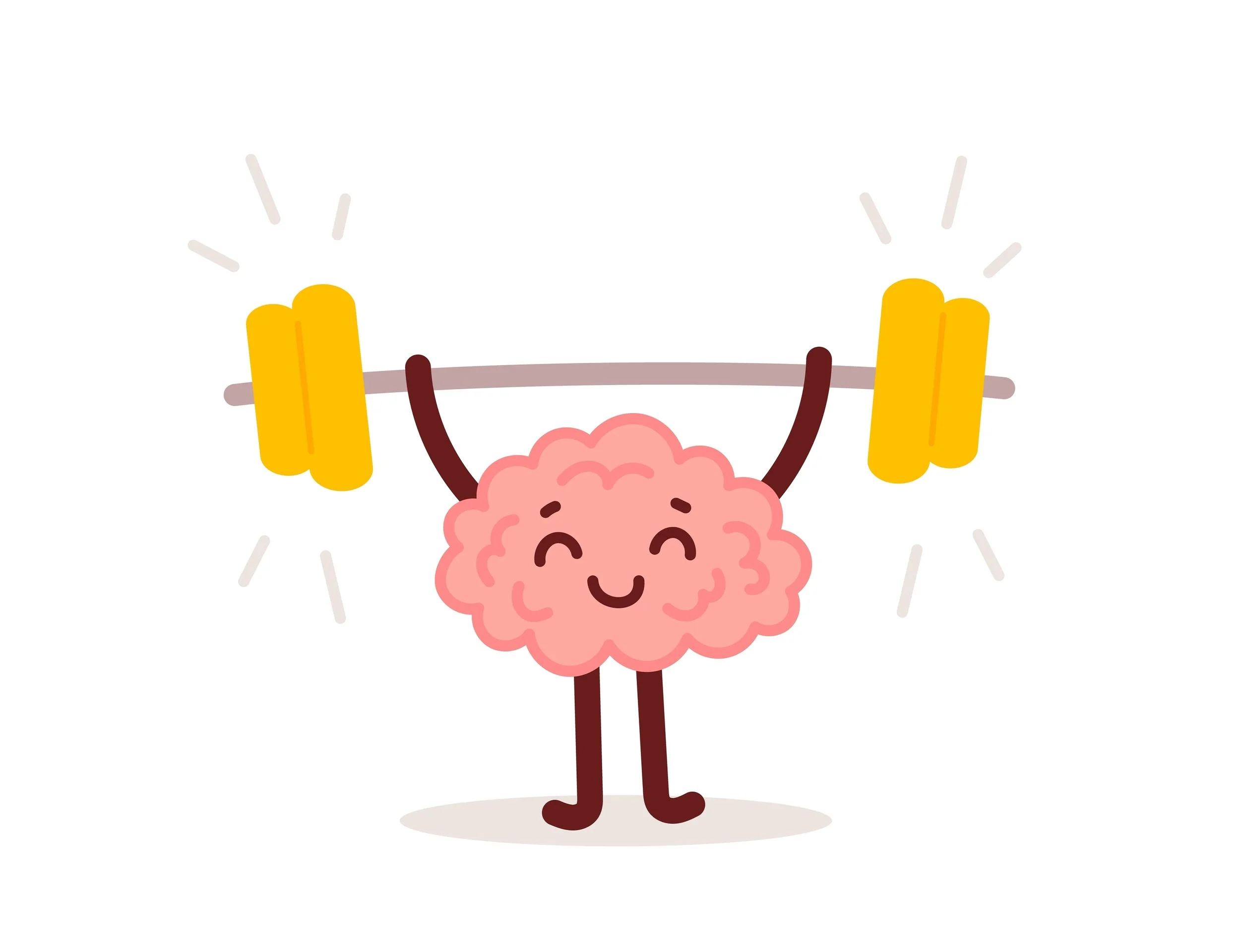
When speaking with friends how many times does the conversation eventually land on the topic of cognitive health? As 1 of 71 million baby boomers, I can safely say quite frequently. Whether caring for an elderly parent with memory issues or concerned about our own mental acuity conditions such as dementia and Alzheimer's are front and center. So, in an effort to remain as cognitive sharp as possible, we do crossword puzzles, eat certain foods, take vitamins and supplements and make sure we get enough sleep. Terrific, right? Well, almost!
Research now shows one of the best methods to amp up our cognitive wellness is actually physical exercise. Just walking 45 minutes per day, three days a week, increases episodic memory, executive control functions along with multitasking and planning skills. Another important benefit of physical exercise is stress reduction...

The Weight of the ‘Wait’
There’s one certainty for a family caregiver. You can count on having to wait for information that might have significant consequences to a love one’s health. It can be a blood test, PET scan, MRI, biopsy and even the not-so-routine doctor’s follow-up exam. There’s an array of things it could be. But all these situations do have something in common, they create a lot of anxiety. There are ways to handle these situations with less stress...

The Myth of the Caregiver Superhero
As family caregivers we all have days that are better than others, moments of elated success, and challenging times rife with self-doubt. Nowhere is the myth of the superhero more problematic than it is with family caregivers, who often harbor unreasonable expectations and then kick themselves for falling short. Don't fall into the trap of unrealistically believing you have to do everything on your own and falling deeper into despair...

80 Minutes That Can Brighten Your Life
Research demonstrates the proven benefits of journaling including stress reduction, increased memory and immune function and even fewer visits to the doctor. Dr. James Pennebaker, a psychology professor at the University of Texas in Austin and the expert credited with pioneering much of the work done on expressive writing and journaling, believes practicing for just 20 minutes a day for four days can provide a measurable health benefit...

Ten Minutes of Meditation. Feel the Change.
I cannot think of a better way to help reduce stress and rebalance than a 10-minute meditation. For years I fell victim to many of the myths about meditation and it delayed me from experiencing a readily available resource that ultimately delivered me invaluable moments of quiet and peace each day. Meditation comes in many shapes and sizes, which means that you are almost certain to find an approach that works best for your personal needs...

Family Caregivers: Choose to be Happy!
Working with family caregivers, I see a wide range of attitudes and emotions that exist within this large community of very special people. What I find especially interesting is that some family caregivers, faced with similar responsibilities, are happier and have a more positive attitude. Consequently, they navigate through their day-to-day responsibilities with less wear and tear...

Timeout or Burnout
When I speak with family caregivers, especially in support groups, they often equate burnout with failure. Never mind the ramifications that burning out can have on a caregiver’s health and well-being; it’s often interpreted as a sign of weakness, rife with implications of ineffectiveness, inability and frailty. Sadly, family caregivers often feel like they’re expected to tackle Herculean tasks such as caring for a loved one, managing personal family responsibilities, and succeeding as an employee, all with nothing more than a gracious nod and a smile. But where’s the “me time” in that to-do list? That essential block of quiet time to rest, recuperate and recharge your batteries...

Count Your Lucky Stars
I have been receiving emails and calls from family caregivers asking about all the recent stories they are seeing about happiness. To summarize their comments, there is a feeling that if attaining happiness, even intermittently, sounds so damn easy, then why are they having so much trouble being happy? Fair question, especially if you consider what many family caregivers deal with day-to-day. In my opinion, being happy is not easy or hard and shouldn’t be viewed with a pass/fail mindset. It’s an emotional state that you can develop and incorporate into your daily life…

The Positive Power of Active Listening
Yesterday, after speaking with a friend about a personal matter, I realized I could hardly recall any specifics from our conversation despite having initiated the chat. I was both bothered by and curious about how this could happen and whether it was truly a rare occurrence. Looking back, I believe that I have gradually inched my way to becoming a reactive listener, which isn’t really listening at all. As a family caregiver, you can't afford to not be an active listener. Learn the steps you can take to listen with purpose, especially when it counts the most...

Use The Good Dishes
My mom always made a big fuss over mealtimes, and I vividly remember the yellow dishes she used to set the dinner table every night. Along with our yellow everyday plates, she also had a set of “special occasion” china dishes. My mom treasured these special dishes. But, I couldn’t understand why, if our special dishes gave my mom such joy, she only used them occasionally. Moral of the story, don't let the joy you have in your hands today slip by. Grab it when it is present and enrich your life...

Achieving Life Balance as Family Caregivers
I have read over a thousand stories describing all types of caregiving situations, from adult children caring for an elderly mother and father to a young teenager caring for their single parent or grandparent every day after school. Regardless of their individual circumstances, I am always touched by the selflessness of caregivers, who provide quality care for a loved one regardless of the effect this responsibility has on their personal lives. What I have discovered throughout my research is that the family caregivers most frequently described as “caring” also possess an additional, unspoken quality called life balance. Discover the basic steps you can take to incorporate better life balance and joy into your life...

Maybe It’s More Than Just Getting Older
Recognizing that a loved one may be more forgetful, somewhat aloof, or a bit confused can be startling. You can easily attribute these changes to simply “getting older.” It’s a natural, self-protective response since alternative explanations like dementia or, more specifically, Alzheimer’s disease can be overwhelming. Try not to be in denial and/or frightened because the earlier you check things out with a physician, the quicker you can be on a path to help your loved on achieve the best quality of life possible...

Passing the Time Productively
When you’re feeling emotionally challenged take a quick “thoughts” inventory. For instance, are your thoughts consistent with the “reality” of the situation? Is there another way of looking at your current situation? Will your current thoughts help you access a better outcome? And, never forget, you have absolute choice about what thoughts and narratives you create and focus on!

Making the Call
CARE Calling is practical, builds anticipation, can be thought provoking, and facilitates two-way conversation each time you and your loved one want to get on the phone. And, I guarantee… it will not be boring!