
Challenges in the Sandwich Generation
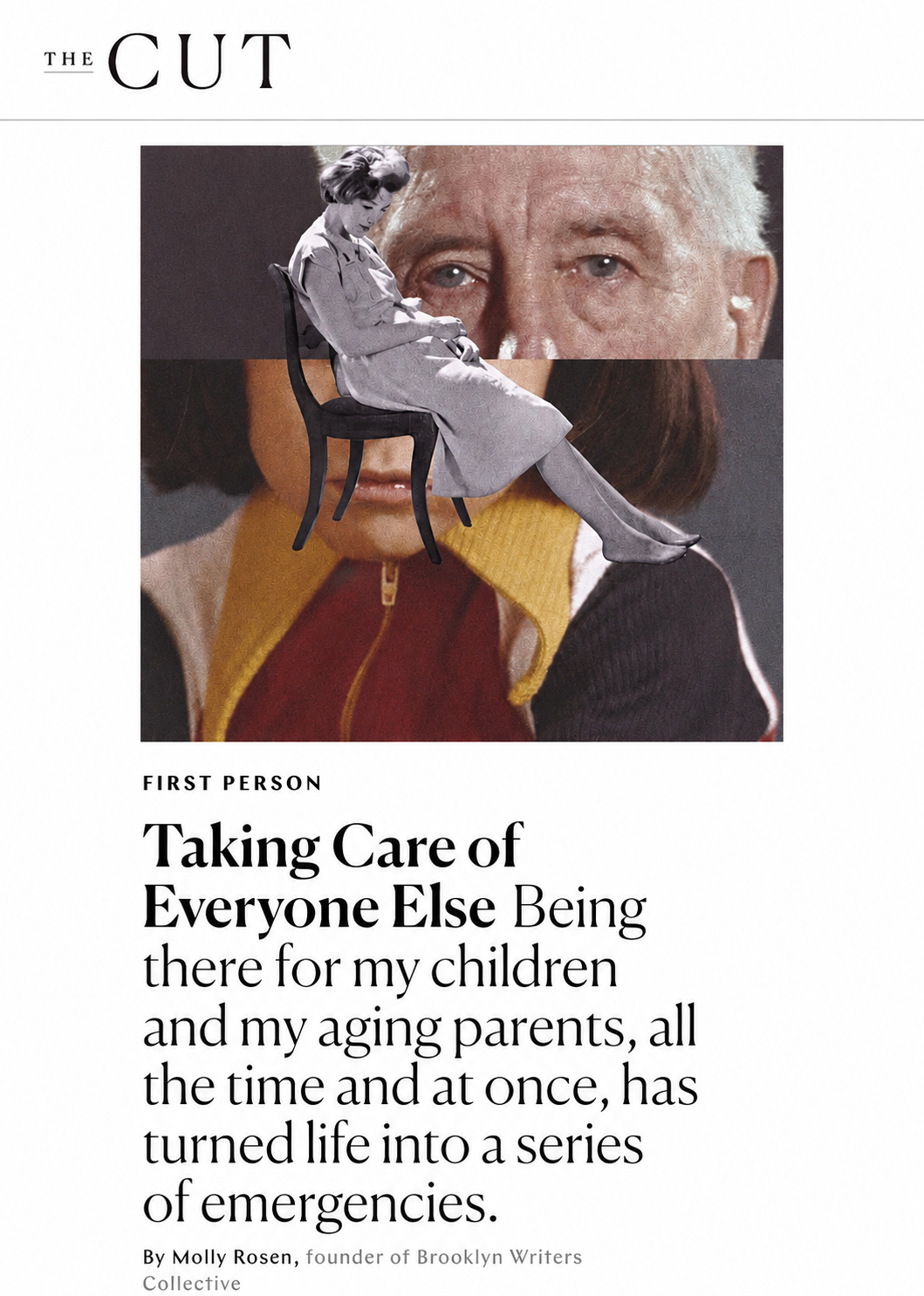
A recent New York Magazine article titled Taking Care of Everyone Else by Molly Rosen provides a look into the responsibilities and demands family caregivers face who are part of the Sandwich Generation. This group of folks are family caregivers caught in the middle of caring for an aging parent(s) and a dependent child or children.
Molly is a mom to two daughters and elderly child and is truly a family caregiver for her mother and two daughters, each having health conditions that need special attention. Add being a single-parent, having a demanding job and personally being prone to migraines and we can all agree Molly’s life is crazy stretched.
As a sandwich generation family caregiver, Molly joins the ranks of an estimated 13 million others who share this multi generational caregiving responsibility. And, this number is expected to substantially grow over the next 5-10 years as demographics get older and families are delaying having children.
What I have found in over two decades of working with family caregivers, is caregivers with double generational caregiving responsibilities can easily face overwhelming circumstances, especially if they lose track of their personal needs and health.
A recent survey indicated, 52% of sandwich generation caregivers anticipate that the cost of supporting their aging parents will soon equal or exceed the expenses required to raise their children. In addition to the financial stress, sandwich generation caregivers face career interruptions, loss of personal time and incur the emotional strain of role reversal with their parents.
As you can imagine, all of this can put caregivers on a track for extreme exhaustion, resentment, grief, anger, guilt and eventually personal burnout. Before this happens, it’s critical to interrupt this pattern of personal neglect to ensure family caregivers lead a healthy quality-of-life. This disruption may include asking others for help in an effort to find personal time, making your own personal health a top priority and especially finding emotional support.
The family caregiver community in America is 63M strong, comprising nearly 25% of the adult population. With this level of like-minded fellow caregivers, it important for you to know you are not alone. You just have to reach out to others. And, support groups, whether it be in person or online, are wonderful to explore. In my 24 years as an active family caregiver I have found speaking with fellow family caregivers wonderfully relieving and especially non-judgmental…please consider seeking out a support group with shared interests. The experience can be invaluable.
Oh yeah, let me get back to the non-judgmental benefit of support groups. I don’t care who you are, there are times you just want to vent. When this happens you won’t believe what can come out of your mouth. There were a number of times I had to wash my own mouth out with soap. Support group members have been in your position, so relax and share. I promise you it will help you and fellow support groupers.
Finally, one area that needs special attention is the workplace. For working family caregivers balancing your job and caregiving responsibilities can be challenging to say the least. The average sandwich generation caregivers spends approximately 22-30 hours of caring for loved one’s per week; include childcare hours and this number can dramatically expand.
When this is the case, family caregivers, especially if they have financial concerns, can find their workplace extremely stressful. They can expend a lot of emotional energy trying to convey their commitment while recognizing they may need to leave work with one unexpected phone call.
I have found the best way to deal with this situation is to let your work superiors and co-workers know about your family caregiving responsibilities sooner than later. Most of the time, employers are definitely understanding. However, regardless of this, you have to put your cards on the table. You cannot live in an emotional pressure-cooker waiting for the other shoe to drop because your living with an unnecessary secret.
Molly’s story is a great service to our family caregivers community. Molly gives us a clear understanding as a mom, daughter and person as to what it truly feels like when all hell breaks loose at the same time and having the wherewithal to come out the other end with everyone in one piece. Things may not be perfect, but all is OK to move forward individually and as a family.
I see a wonderful attribute in Molly that is so important for all people but especially family caregivers…acceptance!
This is not about giving up; quite the opposite. It’s about looking realistically at your situation and focusing on what is in our control and not being distracted and absorbed by what isn’t. I can’t think of an emotionally and physically healthier path for family caregivers to follow!
I recommend you take 5 minutes and read Molly Rosen’s article, Taking Care of Everybody Else and please take the time to read through the article comments. It’s well worth it! You can also find Molly on Instagram and on her website.
For more helpful information for the family caregiver community be sure to follow me on Instagram.
Help yourself. Help others.
